


SLAP Tear of the Shoulder

Do you feel a sharp pain at the back of your shoulder while doing overhead or throwing activities? Then here is something you should know about. ‘SLAP’ tear of the shoulder!

What is a SLAP tear?
SLAP stands for Superior Labrum Anterior to Posterior tear. The term describes an injury to the labrum, a ring of cartilage that surrounds the socket (glenoid) of the shoulder joint, where the long head of the biceps tendon gets attached.
In a SLAP tear, the topmost (superior) part of the labrum is damaged, often exactly where the biceps tendon attaches. The tear extends from the front (anterior) to the back (posterior) of the superior labrum. This can cause pain, a sense of instability and restricted shoulder function, particularly in athletes or individuals who engage in repetitive overhead or throwing movements.

Where exactly does it happen?
To better understand SLAP tears, it’s essential to understand the basic anatomy of the shoulder joint. The shoulder is a ball-and-socket type of joint, where the ball (head of the humerus) fits into a shallow socket (glenoid). Because the socket is shallow, it depends heavily on its rubbery boundary line (labrum) and surrounding muscles for stability.
The labrum acts as a suction cup, holding the ball firmly in place. If we imagine the round glenoid socket as a wall clock, the biceps tendon attaches to it at the 12 O’clock position. When this labrum-biceps connection is torn, the stability and mechanics of the entire shoulder joint are disrupted.
What causes this tear?
SLAP tears can occur from both acute injuries and chronic overuse. The common causes include:
Repetitive overhead activities: Sports like baseball, tennis, bowling in cricket, swimming, javelin throwing, badminton and weightlifting put repetitive stress on the shoulder, leading to gradual fraying of the labrum
Trauma: A fall onto an outstretched arm can forcefully compress the joint and tear the labrum.
Sudden pulling injury: Lifting a heavy object suddenly or trying to catch oneself during a fall can strain the biceps tendon's attachment and cause a tear.
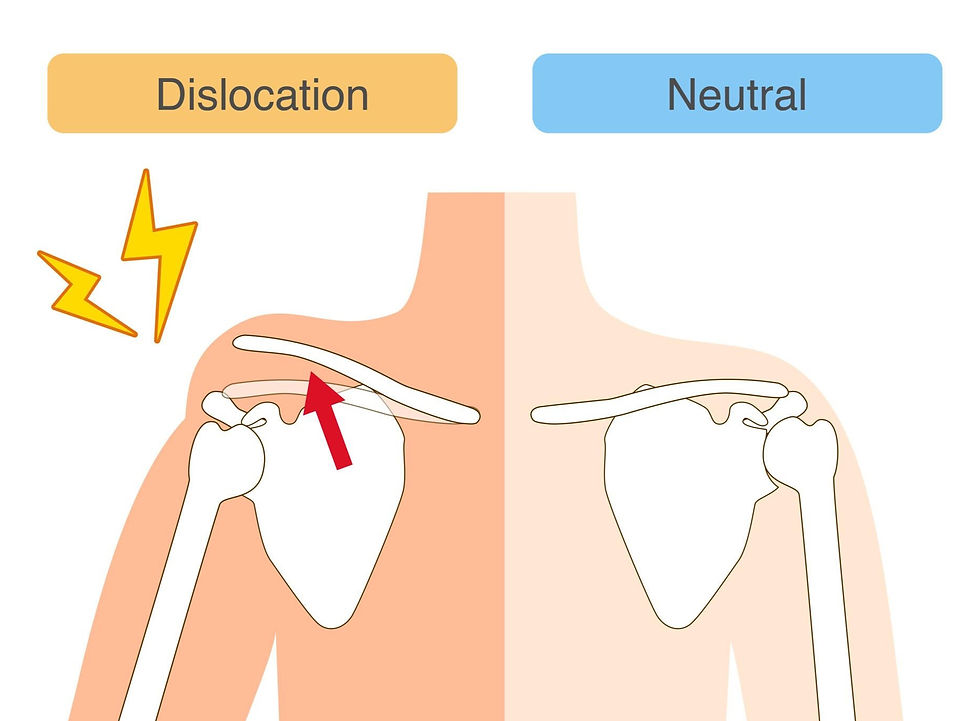
Dislocations: Shoulder dislocation can stretch or tear the labrum.
Degenerative changes: With age, the labrum weakens, making it more susceptible to tears even with minor movements.
How to know that you might have a SLAP tear?
Patients with SLAP tears often describe deep-seated shoulder pain that’s hard to pinpoint. The symptoms can mimic other shoulder problems, which is why expert evaluation by an orthopaedic specialist is crucial. Common symptoms include:
Deep pain in the shoulder, especially with overhead or throwing movements
A sensation of catching, locking or grinding
Weakness or instability in the shoulder
Pain during lifting, throwing or carrying objects
Decreased athletic performance, especially in overhead sports, such as push-ups
Discomfort at night or while lying on the affected side
What are the types?
We can classify SLAP tears into several types extensively depending on the extent and pattern of injury. The list is long but the most common types include:
Type I: fraying or degeneration of the superior labrum, but the biceps anchor is intact
Type II: detachment of the superior labrum and biceps anchor from the glenoid (most common of all)
Type III: A bucket-handle type tear of the labrum, with the biceps anchor remaining intact
Type IV: The bucket-handle tear extends into the biceps tendon itself
How is it diagnosed?
Because SLAP tears share symptoms with other shoulder pathologies, diagnosis requires a detailed clinical evaluation and imaging.
Clinical Examination: Apart from routine palpation, range of motion examination, certain specific tests (O’Brien’s test, crank test, compression rotation test) are used to evaluate the labral integrity.
Imaging Studies:
X-rays are the first go to investigation to rule out any bone-related issue
MRI is the most popular investigation today due to its clarity and ease of availability. MRI helps to diagnose and classify SLAP tears and also rules out any associated causes of shoulder pain
MRI with contrast (MR arthrogram) gives further detailed information, but it is rarely performed due to contrast-related complications

How is it treated?
Management depends on the severity of the tear and the patient’s activity level and functional demands. The primary aim is to relieve pain, restore movements and regain joint stability.
Non-Surgical (Conservative) Treatment
Rest and activity modification: Avoiding overhead or throwing activities, lifting heavy weights
Physiotherapy: Forms the cornerstone of conservative management. Rehab focuses on stretching the tight posterior capsule of the shoulder and strengthening the rotator cuff and scapular stabilisers to restore dynamic stability.

Medications: Anti-inflammatory drugs help to reduce the pain in acute stages, but should not be continued for a prolonged period without a doctor’s advice
Injections: Platelet-Rich Plasma (PRP) injections may help alleviate inflammation and promote healing
In the majority of patients, even athletes, conservative management resolves symptoms. Only those with persistent pain even after six months of supervised, dedicated rehabilitation might have to undergo an arthroscopic surgery to repair the torn labrum.
Surgical Treatment
If conservative measures fail to relieve symptoms or in rare cases of tears, arthroscopic surgery may be required.
Arthroscopy involves a minimally invasive key-hole approach to the inner structures of the shoulder joint to confirm and rectify the problem.
Two types of procedures can be performed depending on the type of tear, age & functional demands of the patient:
SLAP Repair: The torn labrum is reattached to the socket (glenoid) using anchors and sutures. This is the preferred procedure in younger athletic patients.
Biceps Tenodesis: The biceps tendon is detached from its original attachment at 12 O’clock and fixed to the ball of the shoulder (humerus head) to relieve tension on the labrum, often a preferred choice in patients over 40-45 years of age.

Rehabilitation and Recovery
Post-surgical rehabilitation is critical for a successful recovery. At ArthroSports Orthopaedic Clinic, patients follow a structured physiotherapy program that progresses in phases:
Phase 1 (0–4 weeks): Immobilisation in a sling, gentle passive movements to prevent stiffness
Phase 2 (4–8 weeks): Gradual restoration of range of motion and light isometric strengthening
Phase 3 (8–16 weeks): Progressive strengthening of rotator cuff and scapular muscles
Phase 4 (4-12 months): Gradual return to sport-specific or overhead activities once full strength and stability are achieved.
Most patients return to regular daily activities within 3 months, and athletes can resume sports in 6 to 9 months, depending on their progress and compliance with physiotherapy.
How to prevent it?
While not all SLAP tears are preventable, certain measures can significantly reduce the risk:
Maintain good shoulder flexibility and balanced muscle strength.
Warm up adequately before sports or workouts.
Avoid sudden jerky or heavy lifting motions.
Use proper throwing and lifting techniques.
Listen to your body. Don’t push through pain.
When to see an orthopaedic surgeon?
If you experience persistent shoulder pain, catching sensations or difficulty performing overhead or throwing activities, it’s important to consult a sports injury specialist. Early diagnosis and treatment not only prevent worsening of the tear but also improve the prognosis and recovery outcomes.
Consult Dr Ajinkya Achalare, orthopaedic surgeon and sports injury specialist at ArthroSports Orthopaedic Clinic, Dadar West, Mumbai, for precise diagnosis, a customised rehabilitation plan and advanced arthroscopic solutions for shoulder injuries like SLAP tears.


Comments